


Dentists all over the world are raving about the advantages of the home teeth whitening remedies that are increasingly becoming popular online. These systems can achieve results same as those you get paying after parting a small fortune at the dentist. These remedies come with the promise of sparing you pain and hours spent at the dentists.
Dental experts recommend the use of the home highest quality whiteners because the routine practice improves the overall dental hygiene, as polishing and scrubbing every day, keeps plaque at bay giving you healthier teeth and a brighter smile!
Below are three top-rated systems:
Highest Rated Teeth Whitening Systems for Smokers
Alta White – Best Results
Highlights:
- Powdered whitener
- Notable results within six days
- Zero side-effects
- No visits to dentists
- Very affordable
- Accounted and attested results
Our Rating: 9.8/10

The Alta White system is in powder form applied with a specialized applicator. As the demand for whiteners increased, there was need for a simple and easy-to-use whitener.
Alta White addresses provide the best whitening system that achieves results almost as soon as you start using it. Its safety’s guaranteed and a full refund if you are not satisfied with the results.
Smokers have higher chances of enamel discoloration due to high amounts of tar and nicotine in smoke that settling and accumulating, especially with prolonged smoking. It’s recommended for smokers to start using Alta White as soon as possible before the staining becomes stubborn and pervasive.
The Alta White process is simple and easy to routinely use. Inside the package are unique swabs with sealed tips that preserve a special fluid. You break the tip’s seal along the marked ring and dip it into the powder, and then apply.
Idol White – Fantastic Whitening Pen
Highlights:
- Special whitener gel pen
- Easy and quick to use-applies in seconds
- Achieves professional results away from the dentist
- Safe to use recommended by dental experts
- Manufactured in the USA
Our Rating: 9.6/10

Idol White is among the best whitening systems that’s presented in an innovative, efficient, and easy to apply the design. Discoloration is a common predicament in the US with a vast population of the middle-aged, about 80%, demanding whitening procedures. This demand faced many challenges before the arrival of Idol White.
Say goodbye to the painful and expensive dental procedures for removing the stubborn nicotine and tar stains from tobacco smoke.
Idol White delivers professional results; you can’t distinguish between the outcomes of Idol White system and the dentists’ whitening procedure, apart from your financial statement and time of course.
The pen-like tube contains a mechanism that gradually dispenses the whitener gel when you twist the lower end. The internal device is similar to that used in glue-stick.
After brushing, open the pen and apply the gel, twisting the pen as required. The gel constitutes unique blend of natural ingredients safely whitens every tooth for a whiter and brighter smile at home.
Bella Laboratories – Ideal Whitening System
Highlights:
- Bella bleaching systems are manufactured in the US
- Get professional results at home
- Quick and visible outcomes
- Thin, soft, and flexible for a custom fit
Our Rating: 9.4/10
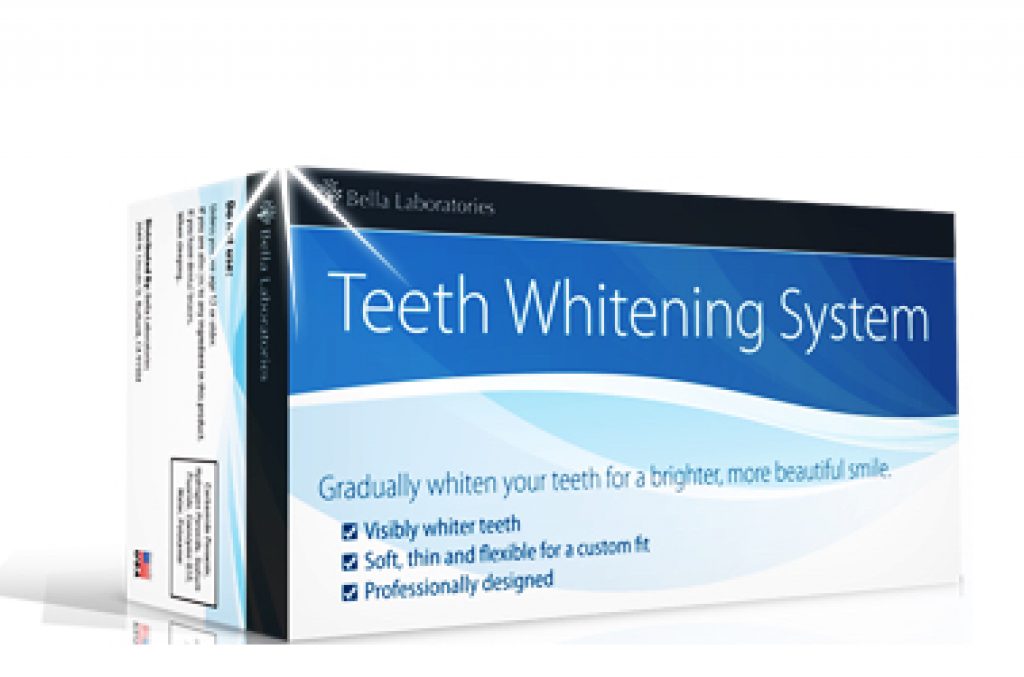
The Bella Labs whitening system delivers white teeth in under a week. The manufacturer guarantees by the sixth day of use, your smile will be noticeably brighter. With the rampant discoloration affecting most smokers in the US, there’s need for a quick and efficient remedy for achieving the best results whenever, wherever.
The Bella kit comprises two plastic tubes containing the bleaching gel. Inside the package, there are small encased plastic strips for lower and upper teeth. They are soft and flexible for precisely fitting on each tooth to achieve even bleaching.
There is no need for dental visits or a qualified expert to apply the Bella Whitening solution. In your home’s comfort, you will achieve the desired results without any specialized procedures or gadgets.
It’s as simple as regularly brushing. The results become visible with the first few days of using it and the high-quality ingredients assured your safety.
Reason Smokers Should Use Teeth Whiteners

Smoking is among American’s most common causes of the discolorations. Smoke contains generous amounts of nicotine and tar that are deposited the tooth’s surface. The discoloring agents continuously seep in staining gradually change the color. The stains build up with prolonged smoking becoming more stubborn.
Conventional bleaching procedures are costly and time-consuming. The burden gets heavier considering the pain one undergoes. Considering that most smokers pay less attention to proper dental care, the length and tedious procedures are usually not appealing to them. Having a solution that achieves similar results for a lesser cost at their convenience might do the trick.
What Effects Does Smoking Have on White Teeth?

Smoking severely discolors the brilliant white enamel especially when oral hygiene is not taken care of well. According to scientific research, the effects of tobacco go beyond the mouth, but my focus will be specifically on the white enamel.
Did you know that your enamel has pores just like the ones on your skin? Yes, it does and as a result substances in smoke will be absorbed causing it to develop the brownish yellow tint, a stinky breath, harbor plaque and even slow down the healing process when you’ve had periodontal treatment or oral surgery. Tobacco smoke contains Nicotine and Tar which are then slowly leaks between the cracks and through the pores on the enamel’s surface, I’ve discussed them below:
Nicotine

Tobacco smoke contains Nicotine. Nicotine is the substance responsible for the yellowish/brownish discoloration common in tobacco smokers. Whether you chew or smoke tobacco, the effects of Nicotine are inescapable. It settles along the cracks and pores on the enamel, creating a mass that leads to discolorations. As it leaks into the enamel, it contributes significantly to the plaque which affects its color including the overall dental health.
Plaque speeds up the Tartar deposit process and leads to bad breath. Cavities, discoloration, oral cancer, and gum diseases are all problems that come from Nicotine; these impact the health and ultimately the white appearance.
Tar

Tar is particulate matter formed when smoking cigarettes. It’s a combination of elements that include oxygen, carbon monoxide, hydrogen, and a variety of semi-volatile and volatile organic compounds. Just like Nicotine, it has significant adverse health effects that include throat and lung cancer, bad breath, enamel, and fingers discoloration.
As expected Tar deposits and discolors the enamel, causing white enamel to have the yellow/brown tint. The deposits encourage plaque, which will affect the overall health of your mouth. Of course, it ceases to be white, bright and attractive. Tar is no good for enamel structure, but the perfect whitening systems can help make a difference.
Our Final Thoughts
The top quality whiteners are becoming popular throughout the US as more people demand the service every day. Several solutions have developed in attempts to capitalize this opportunity. Some have achieved spectacular results leaving the customers very happy with whiter smiles.
You should take caution though not to select products with malice as dental health is quite sensitive. Select products with positive reviews and the manufacturers keen on sharing information about the constituents of their products.
There are negative reviews about some products online, so you should research, pick the best whitener, and ensure you have all information pertaining the products’ ingredients and general safety.


